Personal Trainer Loveland Ohio | Veteran-Owned | Resilient Movement
Resilient Movement helps veterans, seniors, and individuals with mobility limitations maintain strength, balance, and independence after physical therapy ends. We provide structured, one-on-one coaching that feels like an extension of your medical care—not a crowded gym.
Physical therapy helps people recover. Resilient Movement helps them stay strong.
Army Veteran
Adaptive Fitness Specialist (AIT)
Corrective Exercise Specialist (CES)
Senior Fitness Specialist (SFS)
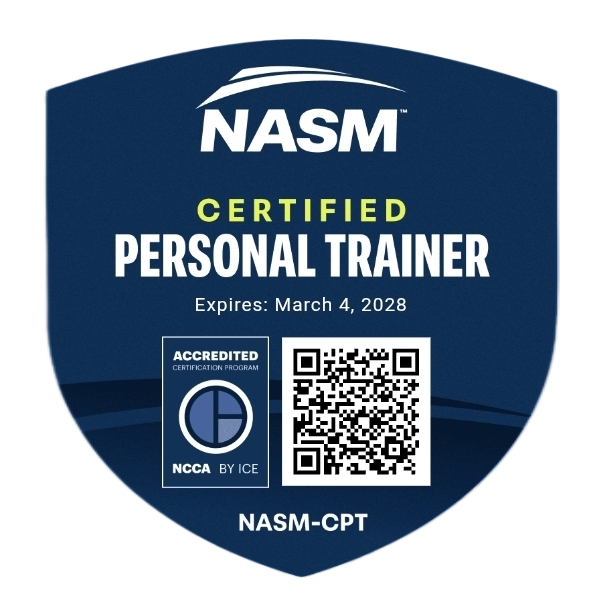
NASM Certified Personal Trainer (CPT)
NPI Registered Provider: 1184570590
American Red Cross CPR/AED/First Aid, Valid - 2028
Experienced with neurological and orthopedic conditions
B.S. Finance, Miami University
Post-Rehab Support
Cincinnati Area
The Problem
Most Programs Aren’t Built For You
If you’re dealing with chronic pain, a history of injury, or changes in balance and strength, “just work out more” isn’t helpful. Most fitness programs are built for healthy, pain-free bodies — not for people rebuilding trust in their movement.
What Happens When Medical Care Ends?
Resilient Movement provides structured, one-on-one training designed to fill the gap between medical treatment and long-term physical health. Programs are built for people who need more than a gym membership. They need a mentor who understands their conditions, respects their limitations, and builds a plan that keeps them moving forward.
What we hear from new clients all the time:
“I’m always worried I’ll make my pain worse.”
“I finished physical therapy and then had no idea what to do next.”
“Group classes move too fast and don’t show me what’s safe.”
“I’m afraid of falling or getting hurt again.”
“Online programs don’t account for my limits or my history.”
You shouldn’t have to choose between doing nothing and pushing through pain. You deserve a plan that respects where you are and where you want to go.
The Problem
Most Programs Aren’t Built For You
If you’re dealing with chronic pain, a history of injury, or changes in balance and strength, “just work out more” isn’t helpful. Most fitness programs are built for healthy, pain-free bodies — not for people rebuilding trust in their movement.
What we hear from new clients all the time:
“I’m always worried I’ll make my pain worse.”
“I finished physical therapy and then had no idea what to do next.”
“Group classes move too fast and don’t show me what’s safe.”
“I’m afraid of falling or getting hurt again.”
“Online programs don’t account for my limits or my history.”
You shouldn’t have to choose between doing nothing and pushing through pain. You deserve a plan that respects where you are and where you want to go.
What Happens When Medical Care Ends?
Resilient Movement provides structured, one-on-one training designed to fill the gap between medical treatment and long-term physical health. Programs are built for people who need more than a gym membership. They need a mentor who understands their conditions, respects their limitations, and builds a plan that keeps them moving forward.
What Happens After Physical Therapy Ends?
Many people finish physical therapy feeling better,
but still don't feel confident returning to normal life.
Insurance-covered rehabilitation ends before many people have rebuilt the strength, endurance, and confidence needed for long-term success.
Resilient Movement helps bridge the gap between physical therapy and independent fitness.
Not recovering from injury? That's fine too.
Many clients simply want to lose weight,build strength, improve mobility, or stay active as they get older.
Resilient Movement Company is built specifically for the gap between the clinic and the gym—where independence is either protected or slowly lost.
Fat Loss
Sustainable strength-based fat loss
without extreme diets.
Busy Adults
Efficient training designed around work,
family, and real-life schedules.
Parents
Build strength and energy to keep up with
your kids without aches and injuries.
Climbing Strength Training
Why Climbers Need Strength Training?
Pulling dominance
Shoulder instability
Hip mobility restrictions
Grip overuse
Common Climber Issues
Shoulder pain
Elbow tendinopathy
Hip limitations
Finger overuse
Injury Prevention
Strength training helps climbers build resilience,
improve movement quality, and reduce injury risk.
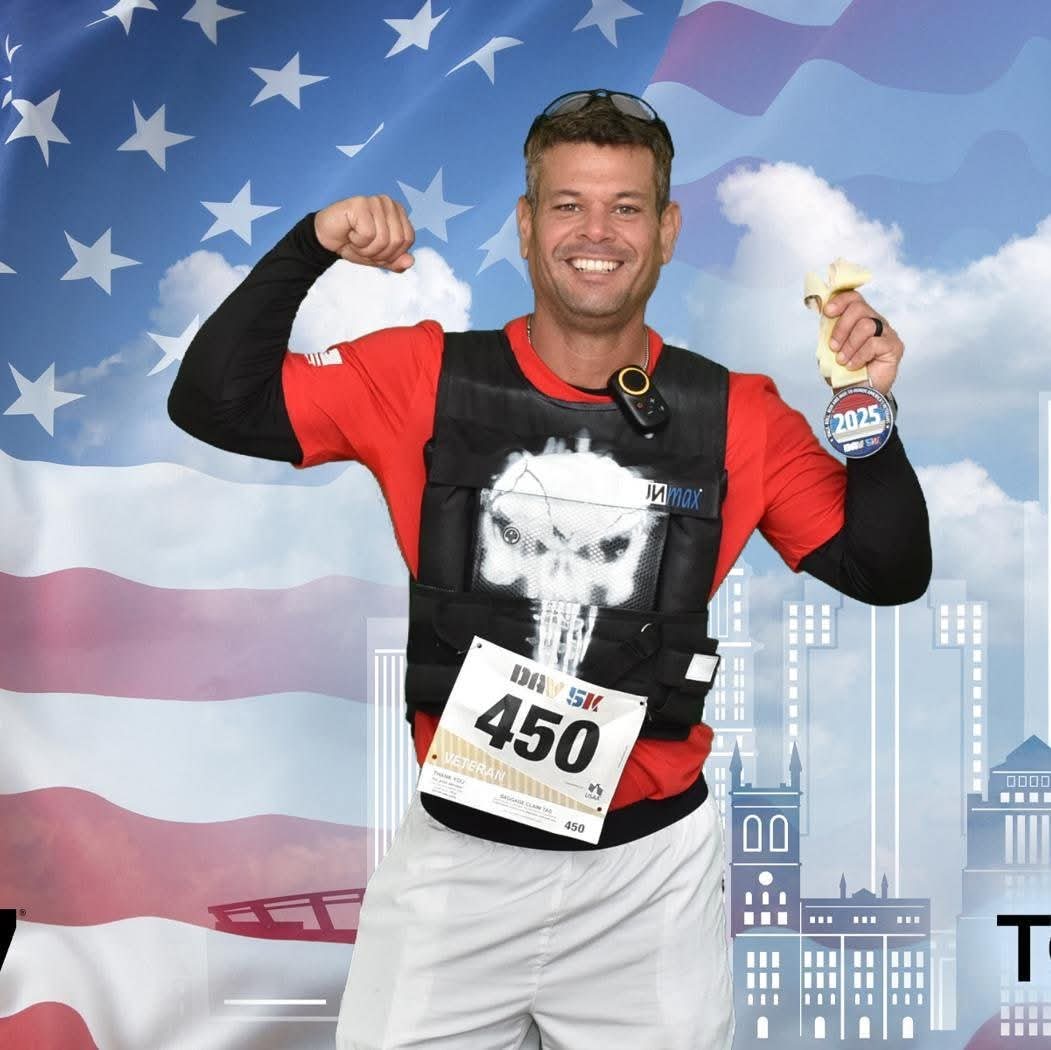
Meet Jeff, Founder of Resilient Movement Company
Jeff is a NPI Certified Corrective Exercise Specialist and movement coach who has worked with veterans, older adults, adaptive needs, and clients rebuilding their lives after surgery, illness, and injury. His background sits between performance and rehabilitation—serious training with clinical awareness.
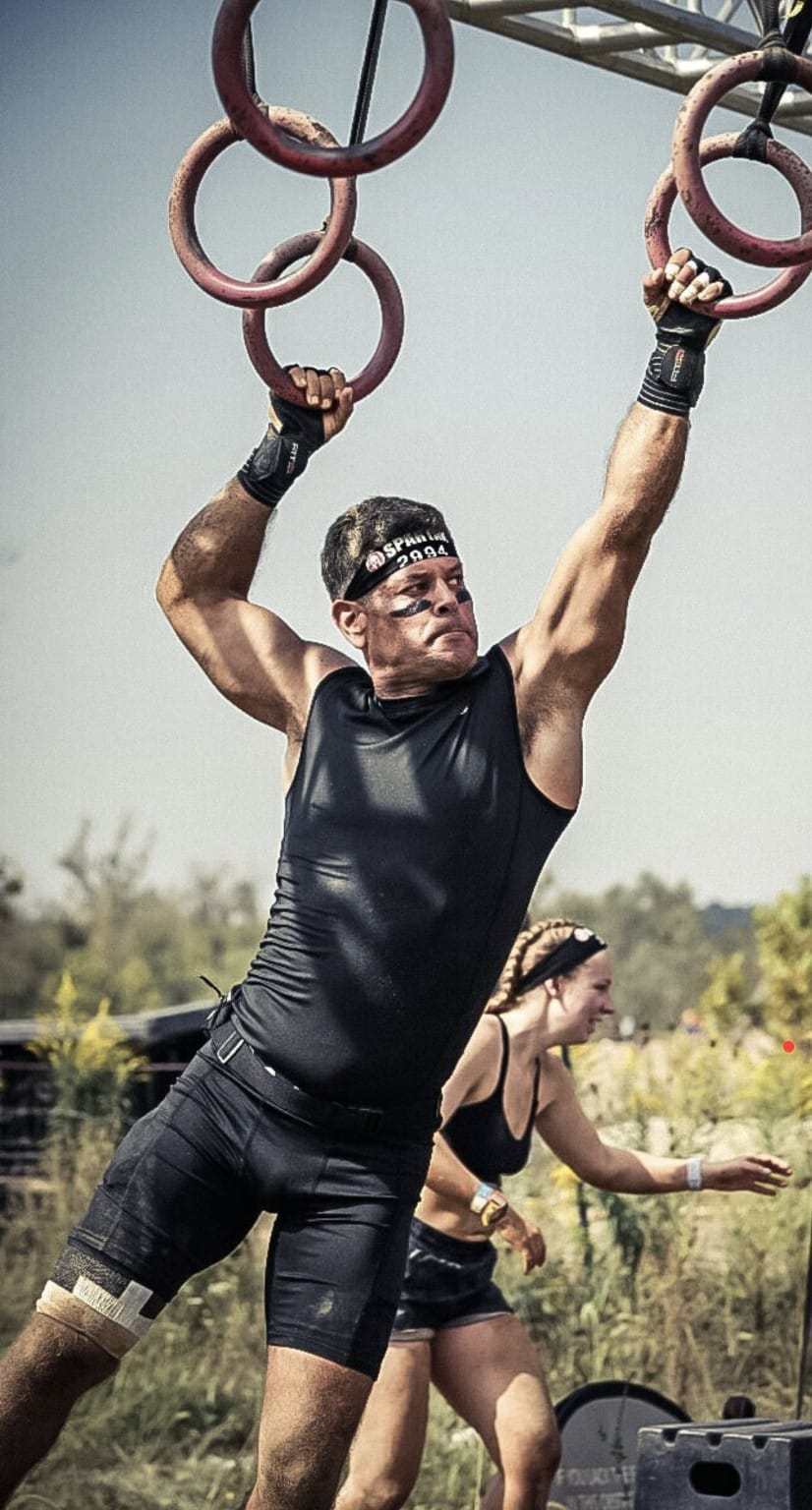
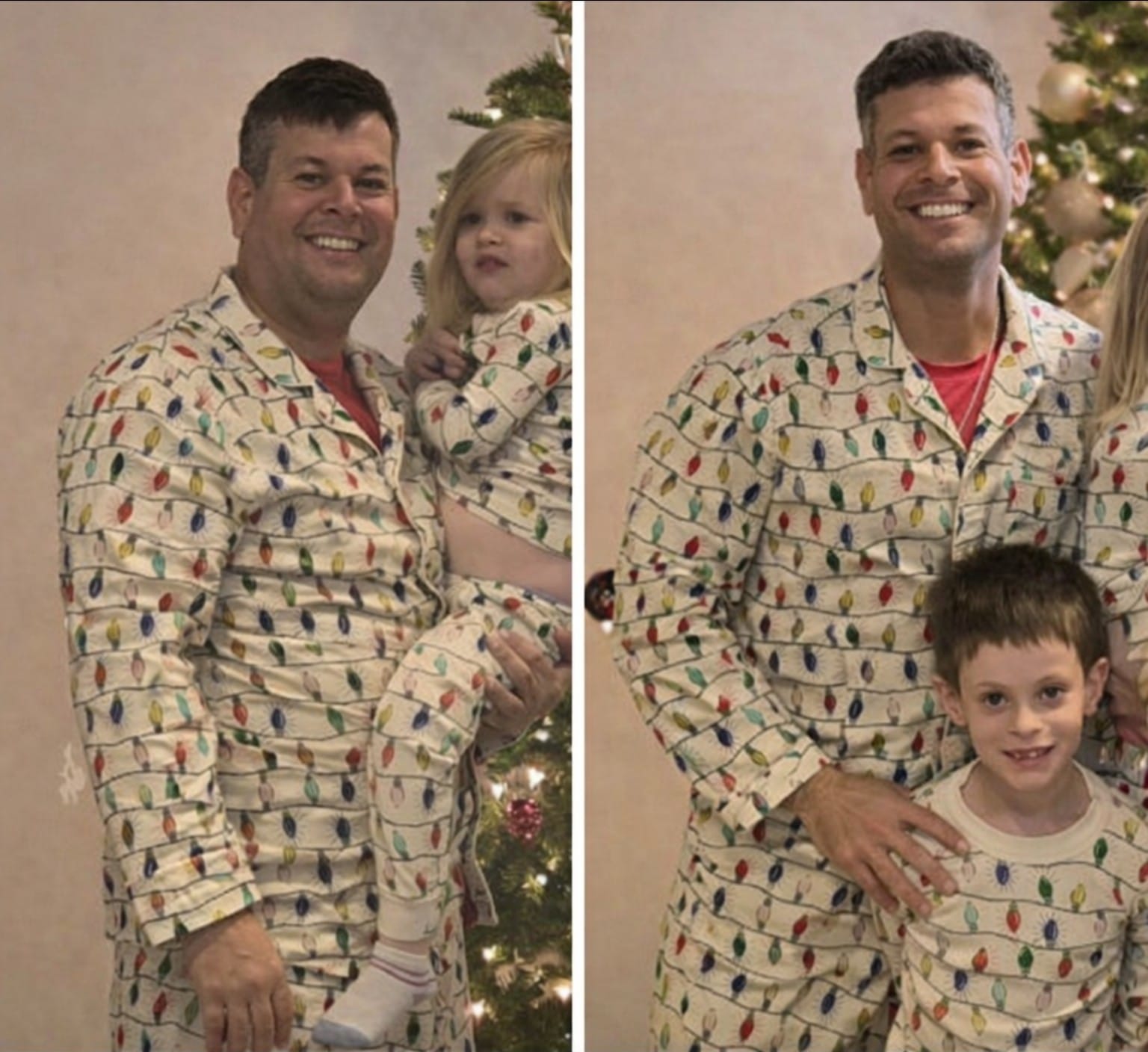
After years of letting fitness slide, Jeff hit 190 lbs at roughly 28% body fat. A doctor recommended statins for his cholesterol. Instead of accepting medication, he committed to fixing it through training and nutrition. Over seven months he dropped 40 pounds, achieved a body recomposition to under 15% body fat, and normalized his bloodwork — without medication. That process included structured weight training, cleaned-up nutrition, joining a climbing gym, and competing in Spartan obstacle races.
The experience reignited a passion for coaching that had been dormant for years.
On March 4, 2026, Jeff passed the NASM Certified Personal Trainer exam. He understands what it takes to start over, stay consistent, and rebuild — because he's done it himself.
Resilient Movement Co. was built to answer a simple, hard question: who is responsible for keeping people strong once the medical system is finished with them? Jeff’s work is grounded, quiet, and consistent—more about showing up than showing off.
- Experience with post-rehab and adaptive clients
- Collaborative with PTs, physicians, and caregivers
- Grounded, no-hype coaching style
THE VALUE OF A COACH
Accountability:
You show up because someone is expecting you. Consistency is the single biggest factor in results. A coach makes consistency happen.
Safety:
Proper form, appropriate progression, and modifications for every condition. Especially important for post-surgical, neurological, and adaptive populations where incorrect movement creates real risk.
Progression:
Systematic advancement that prevents plateaus and keeps you improving week after week. Tracked with standardized assessments so progress is measurable.“Something you want to quote” — Author
Programming:
A plan designed for your body, your conditions, and your limitations. Adjusted every session based on how you respond. Not a template. Not a video. A program built by a certified professional
who knows your medical history.
Education:
Understanding why each exercise matters and how it connects to your functional goals.
Knowledge that makes you a better mover for life.
Sarcopenia, the progressive loss of muscle mass, accelerates without structured resistance training. Adults lose 3 to 8 percent of muscle mass per decade after age 30. After 65, the decline accelerates. Falls are the leading cause of injury-related death in adults over 65, costing over $50 billion annually. This is the gap Resilient Movement was built to fill.
Why Working With a Coach Changes Everything
Physical therapy has a finish line. Insurance approves a set number of visits. The therapist discharges the patient. And then what?
For most people, the answer is nothing.
The exercises stop. The routine disappears.
Strength fades. Balance declines.
The risk of re-injury, falls, and lost independence increases month after month.
Support Resilient Movement
Your donation helps support community wellness initiatives, educational resources, and opportunities for veterans, seniors, and individuals rebuilding strength after injury or physical therapy.
Every contribution helps us continue promoting healthier, stronger, and more active lives throughout our community.
Thank you for supporting the mission of Resilient Movement.
How It Works
A clear, four-stage process that respects your history, your goals, and your safety.
Stage 1
Consultation
We cover your history, current capacity, balance, range of motion, and key daily tasks. If you have PT or medical notes, we review them. We talk about your goals, your body, your medical history, and any limitations. Completely Free. No obligation.
Stage 2
Movement Assessment
Before writing a program, I assess how you move. This identifies weaknesses, restrictions, and strengths that inform every programming decision.
Stage 3
Personalized program
Your program is built around your assessment, your conditions, and yourschedule. Every exercise is chosen for a reason.
Stage 4
Progress Tracking
Sessions are coached, not supervised. As you improve, your program evolves. Progress is tracked using standardized assessments including sit-to-stand, timed up-and-go, grip strength, and balance screening—so you, your family, and your providers can see real progress.
Supported by Research
This is not a high-intensity fitness brand. It is a function-first movement system built for people whose lives depend on staying capable.
Programming aligns with physical activity guidelines from the National Institute on Aging, Centers for Disease Control and Prevention, American College of Sports Medicine, and VA Whole Health practices.
Sessions are structured, measured, and documented. Every progression has a purpose: protect independence, reduce risk, and extend what clients can do on their own.
Structured, not random
Programs are written, tracked, and progressed over time. We respect surgical history, medical notes, and therapy discharge plans.
Safety and function first
Every session is built around control, balance, and safe movement under guidance—not max heart rate or flashy workouts.
Progression
Measured increases in strength, range, and control over time.
Independence
Training that maps directly to stairs, transfers, and daily life.
Documentation
Clear notes that clients and referring providers can understand.
Resistance training lowers all-cause mortality at modest weekly volumes
Strength and balance programs significantly reduce fall rates in older adults
Resistance exercise reduces cardiovascular mortality risk
Physical activity strongly lowers depression risk across populations
Supervised exercise improves outcomes for veterans with PTSD
Health and wellness coaching shows measurable improvement in diabetes, chronic pain, and obesity outcomes
Built to Work Alongside Healthcare—not Replace It | We Accept Referrals
Resilient Movement Co. is not a clinic, not physical therapy, and not medical treatment. It is structured, professional coaching that respects and extends the work of healthcare providers.
We welcome referrals from PTs, physicians, and other providers who want a trusted next step when formal care ends.
Resilient Movement provides adaptive strength and mobility coaching designed to complement physical therapy and support long-term functional independence. We work with physical therapists, physicians, orthopedic clinics, VA providers, case managers, social workers, senior centers, Medicare and Medicaid care coordinators, and disability service agencies.
Complements PT
We pick up where discharge leaves off, focusing on strength, endurance, and real-life demands beyond the clinic.
Referral-Friendly
We respect clinical boundaries, communicate clearly, and encourage clients to maintain medical follow-up.
Not a Replacement for Medical Care
Clients are expected to maintain appropriate medical relationships. We do not diagnose, treat, or claim to cure conditions. We train movement and strength within the parameters set by healthcare providers.
Frequently asked questions
Q: Is this physical therapy?
No. Resilient Movement provides strength and mobility training, not physical therapy or licensed medical treatment. Programs are designed to complement PT and support long-term functional independence after clinical care ends.
Do I need a referral from a doctor?
No referral is required. Anyone can schedule a consultation directly. However, we welcome and encourage referrals from physical therapists, physicians, VA providers, and case managers.
Q: Is this safe for seniors?
Yes. Programs are individualized for each client's conditions, abilities, and medical history. Training is progressive, supervised, and adjusted for arthritis, joint replacements, osteoporosis, balance concerns, and other conditions.
Do you work with Parkinson's or stroke recovery?
Yes. Adaptive training programs are designed for individuals with neurological conditions including Parkinson's disease, stroke recovery, multiple sclerosis, traumatic brain injury, and other conditions affecting movement.
Do you work with veterans?
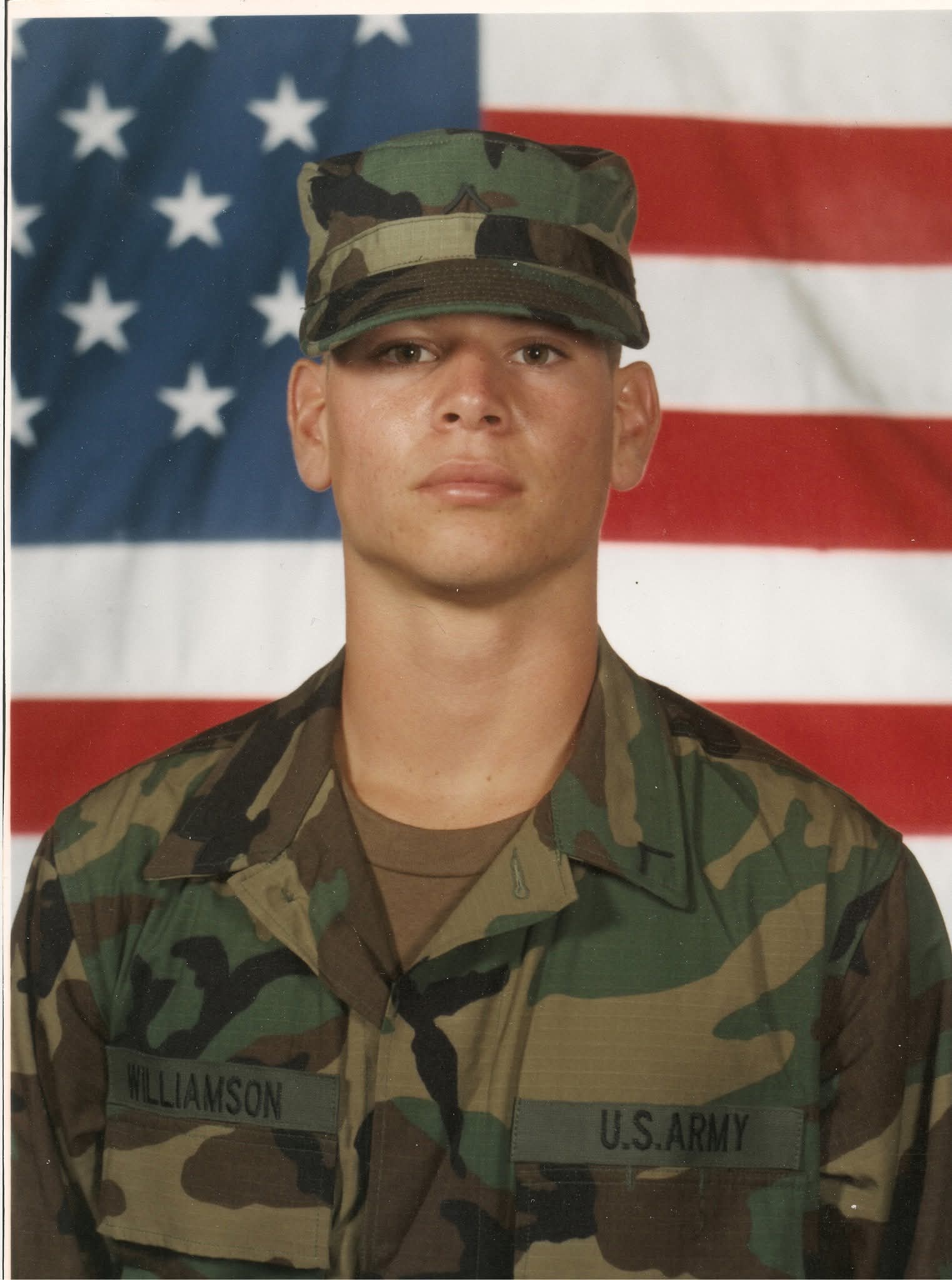
Yes. Jeff is a U.S. Army veteran. Programs are specifically designed for veterans managing service-related injuries, chronic pain, PTSD, and post-military deconditioning.
Quick Self-Check: Is Resilient Movement a Fit?
Select any statements that sound like you. Your responses are not saved or shared—they simply help you reflect on your needs.
Subscribe to our Mailing List
Join the Resilient Movement To prolong optimal health And Gain lasting performance insights.
Subscribe to our Mailing List
Join the Resilient Movement To prolong optimal health And Gain lasting performance insights.
Resilient Movement Company
Adaptive exercise and mobility training for seniors, veterans, adaptive / corrective needs clients, and post-rehab populations in the Greater Cincinnati area.
Cincinnati · Loveland · Milford · Maineville · Mason · Montgomery · Blue Ash · Symmes Township · Deerfield Township · Indian Hill · Madeira · Greater Cincinnati
Services
Who We Serve
Veterans & Paraplegics
Seniors & Older Adults
Post-Surgical & Post-PT
Adaptive Needs & Disabled
Stroke & Parkinson's Clients
Rock & Wall Climbers
COntact Us
Phone: (513) 205-7904
Email: [email protected]
Location: 467 Wards Corner Rd G, Loveland, OH 45140

Resilient Movement Co. provides movement coaching and strength training services. We do not diagnose, treat, or cure medical conditions. Programs are designed to complement physical therapy and medical care, not replace licensed medical treatment. Always consult with your healthcare provider before beginning any new training program.
© 2026 Resilient Movement Company LLC. All rights reserved.